What the organisation stands for
- Improving access to education from primary to higher levels.
- Strengthening health, hygiene, and sanitation awareness.
- Creating informed communities through rights-based awareness and public participation.
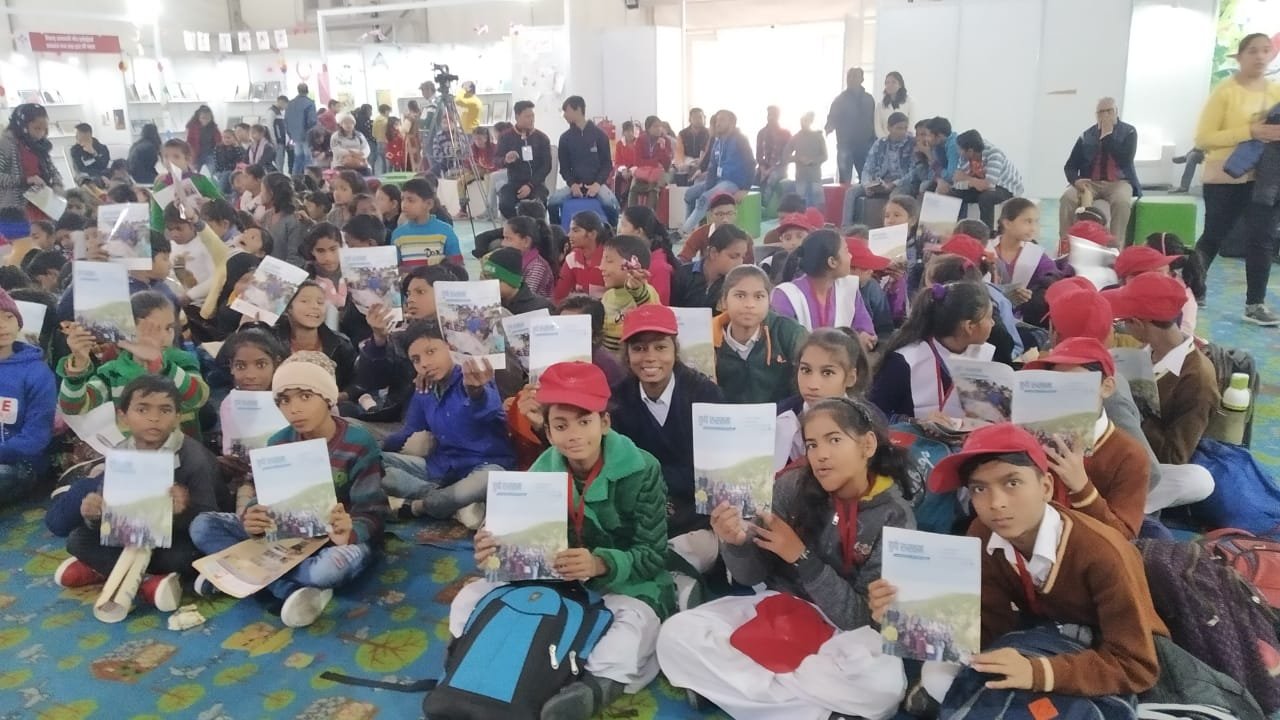
ARP India is a registered non-government and non-political organisation that brings professionals, students, and social activists together for inclusive and practical change.
The organisation grew from a belief that professionalism must carry social responsibility, especially toward people excluded from mainstream systems.
According to the organisation profile, ARP India emerged from a student-led struggle for fairness and later expanded into a wider platform for peace, equity, participation, awareness, and inclusive growth. The work is rooted in combined effort and welcomes participation across caste, creed, religion, and gender.
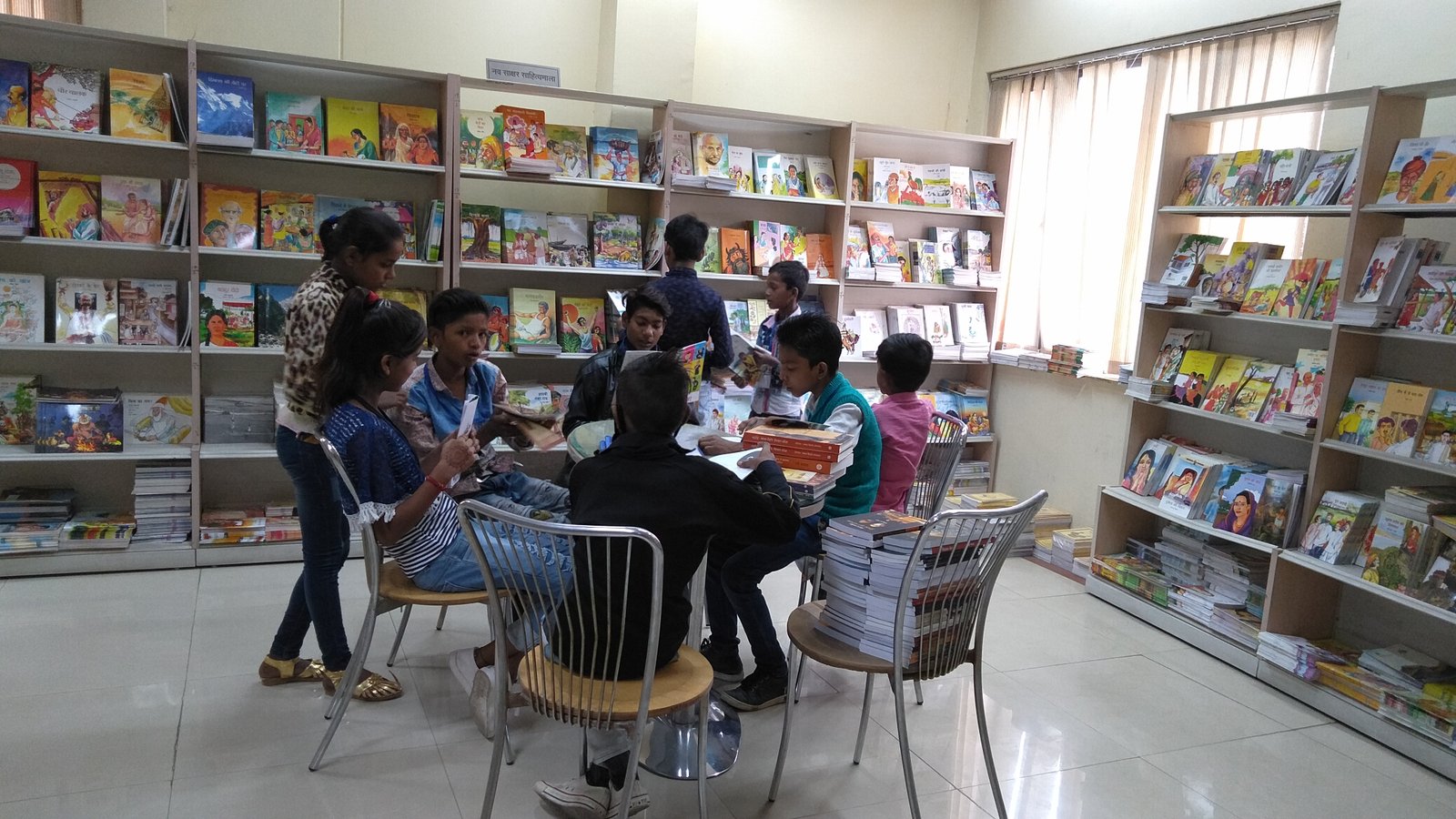
ARP India focuses on children not enrolled in school, students who need counselling and admission help, women and youth needing access points, and communities at the edge of social and institutional attention.
A society of peace, equity, participation, awareness and inclusive growth with access to education and health ensuring the livelihood of all.
To bridge the social divide and empower deprived, marginalized sections and women through mainstreaming access points and opening up new dimensions of engagement.
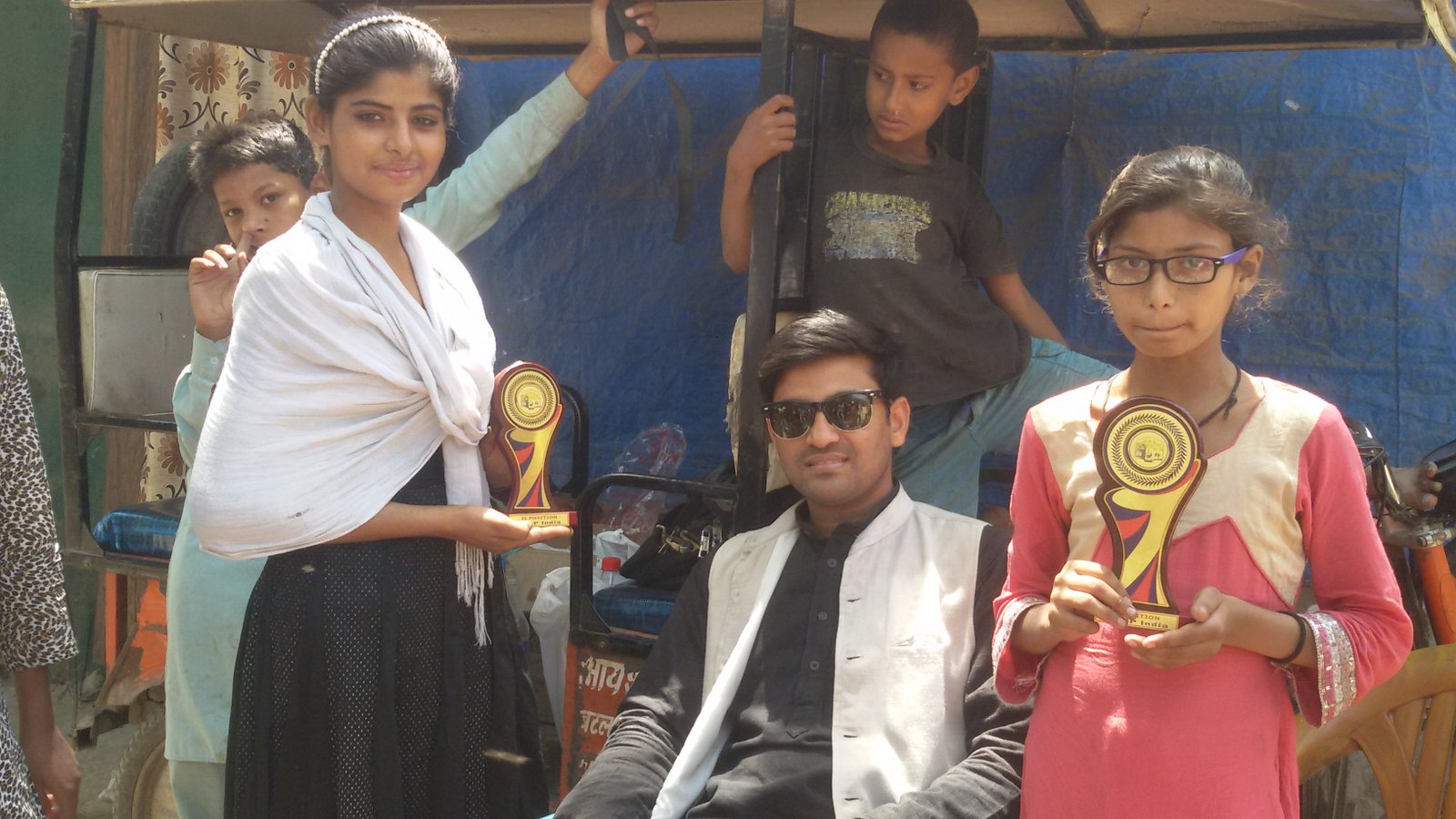
The founder story has been moved here from the homepage, as requested, and paired with moments from the field that reflect the conviction behind ARP India’s work.
Dr. Raza Quadir is described in the profile as a legal scholar, educationist, and social entrepreneur with a diverse professional background. His social journey intensified after he uncovered that students at a management college in Odisha were not receiving degree certificates despite years of admissions.
After gathering information through RTI, contacting students, and escalating the issue with authorities, he helped lead a prolonged hunger strike and public campaign. The effort ultimately contributed to degrees being issued to more than 1,500 students. That experience shaped a larger conviction: if educated students could be denied their rights, the condition of people with fewer resources and less awareness would be far more difficult.
Trust Registration No. 2025/16/IV/344
Darpan ID. DL/2025/0648357
PAN No. AALTA5718N
12A Registration. AALTA5718NE20251
80G Registration. AALTA5718NF20251